
Water Jets vs. Propellers: Why Jet Propulsion Is Changing Boating
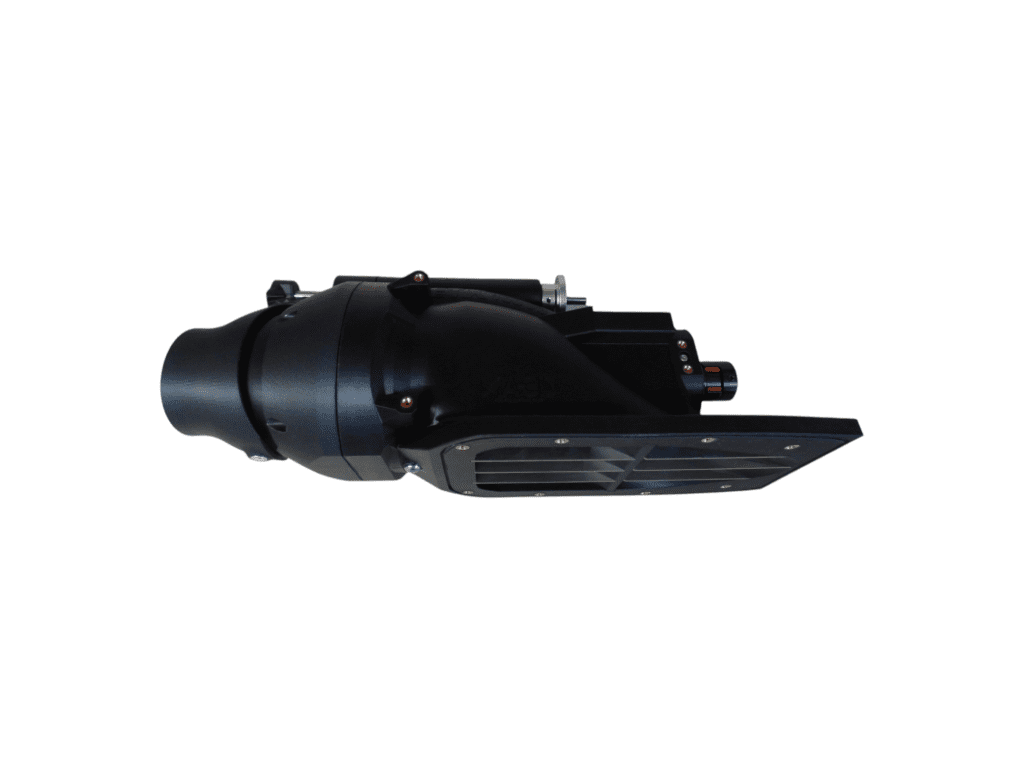
Water Jets vs. Propellers: For more than a century the spinning propeller has been the standard way to move a boat. But over the last few decades a quieter revolution has taken place below the waterline. Water-jet propulsion systems—once reserved for military craft and fast rescue boats—are now appearing on leisure craft, electric surfboards and personal watercraft.
1. Safety Around People and Wildlife
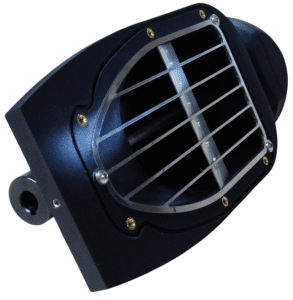
A propeller’s exposed blades can cause injury to swimmers, divers or wildlife. Water jets work differently: an impeller draws water into a housing and accelerates it through a nozzle. Because there are no open, spinning blades outside the hull, water-jet systems offer a much safer solution in crowded marinas, shallow beaches or areas with marine life.
2. Shallow-Water Access
Propellers sit below the hull and need clearance to spin freely. In shallow bays or rivers they can strike the bottom or suck up debris. A jet drive has no protruding propeller and typically has a flatter draft. This allows boats powered by water jets to operate safely in shallower water and get closer to shore.
3. Superior Maneuverability
Modern water-jet units can redirect thrust almost instantly. That means crisp turns, rapid deceleration, and even sideways movement with the right controls. This level of maneuverability is hard to match with a fixed propeller and rudder, making jet-powered boats easier to handle in tight spaces.
4. Reduced Vibration and Noise
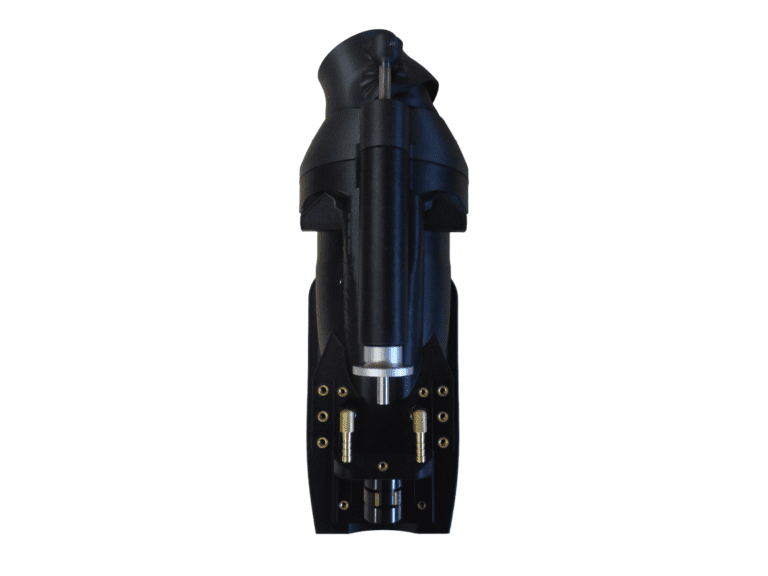
Because the impeller sits inside a housing and water flows smoothly through the system, jet drives produce less vibration than open propellers. This results in a quieter, more comfortable ride—especially important for electric or hybrid craft where low noise is part of the appeal.
5. Efficiency at High Speeds
At very low speeds a propeller can be slightly more efficient, but at planing or high speeds the tables turn. Water-jet propulsion shines when a hull is running fast, offering smooth acceleration and stable performance even in choppy conditions. That’s why rescue craft, military boats and high-speed ferries rely on jets.
6. Modern Materials and Compact Design
Today’s jet drives use advanced composites, stainless steel and precision manufacturing to keep weight down and reliability up. They’re also compact, which frees up valuable space inside small craft such as electric surfboards, e-foils and RIBs.
Making the Switch
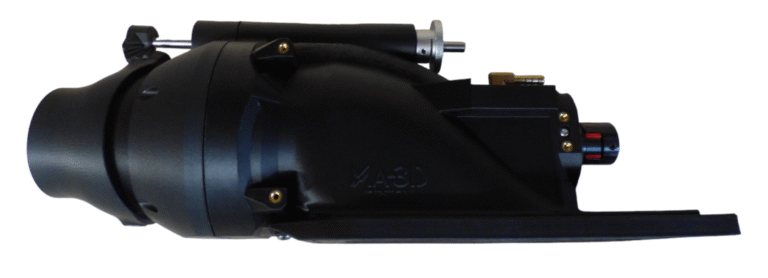
Water-jet propulsion isn’t new, but its advantages are becoming more relevant as boating evolves toward higher speeds, electric power and eco-sensitive areas. Choosing a water jet over a propeller can mean greater safety, better handling and access to places you couldn’t go before.
If you’re exploring options for your next boat or board, take a closer look at modern jet systems—they’re no longer just for special-purpose craft. They’re a practical, efficient and exciting way to move on the water.